A Client Growth Constructed on Emotion, Not Standing
China’s financial story over the previous 20 years has been outlined by metal, concrete, exports, and expertise giants scaling at extraordinary velocity. The brand new story seems very completely different. It’s quieter, extra psychological, and in some methods extra fragile.
Throughout China, a wave of client conduct is rising that isn’t primarily pushed by utility, status, or long run funding. As an alternative, it’s pushed by emotion. Individuals are shopping for small objects, collectibles, and experiences that ship fast psychological reward quite than sensible worth.
On the middle of this shift sits an unlikely image. A small, goggle eyed elf with sharp tooth, generally known as Labubu, has grow to be some of the recognizable client merchandise within the nation. It’s half toy, half collectible, half emotional set off. In a broader sense, it has grow to be a mirror reflecting what components of China’s financial system have gotten.
On the identical time, one other picture is circulating throughout Chinese language cities. Humanoid robots directing visitors, issuing warnings to pedestrians, and standing in public squares as symbols of technological confidence. Collectively, these two tendencies reveal a rigidity in China’s current second. One facet is emotional consumption formed by uncertainty. The opposite is institutional expertise deployment formed by ambition and state signaling.
This isn’t a narrative about novelty merchandise and robotics experiments. It’s a story about how an financial system adapts when conventional engines of development start to weaken.
The Rise of Labubu and the Age of Emotional Consumption
Labubu is produced by Pop Mart, a Beijing based mostly firm that has constructed an empire round collectible “blind box” toys. The corporate doesn’t simply promote objects. It sells anticipation, shock, and emotional payoff.
The monetary scale of this phenomenon is putting. Labubu alone has generated billions in income, contributing to Pop Mart’s speedy growth and turning it into a significant participant in China’s client sector. The corporate’s market efficiency has mirrored this momentum, with its valuation surging as demand for collectible toys accelerates.
However the actual story isn’t monetary. It’s psychological.
For a lot of younger shoppers, Labubu isn’t bought for performance. It isn’t a toy within the conventional sense. It’s an emotional gadget. The act of shopping for is tied to uncertainty, anticipation, and discovery. Every blind field creates a second of suspense, adopted by both disappointment or satisfaction.
One younger client described the logic merely. They already know what a brand new telephone looks like. The expertise is predictable. In distinction, opening a blind field is unknown. That uncertainty is the product.
This shift represents a broader transformation in consumption patterns. Chinese language client conduct researchers more and more describe it as emotional consumption. The core thought is that buying selections are being formed much less by standing signaling or utility, and extra by the will for emotional stimulation.
This contains emotions similar to shock, consolation, belonging, and even escapism.
Pop Mart has expanded this mannequin past Labubu into different character based mostly mental properties, every designed to evoke a definite emotional identification. The corporate has successfully industrialized emotion as a retail class.
Why Emotional Consumption Is Rising Now
The expansion of emotional consumption isn’t taking place in isolation. It’s rising in a selected macroeconomic context.
China’s property market, lengthy a central pillar of family wealth, has skilled a protracted downturn. Housing is not the dependable wealth generator it as soon as was. On the identical time, wage development has slowed, and financial uncertainty has grow to be extra seen in on a regular basis life.
For youthful generations particularly, the standard markers of monetary stability really feel much less attainable. Residence possession, as soon as thought of a close to common milestone, now feels distant for a lot of city residents. Employment expectations have shifted. Long run optimism, as soon as a defining attribute of China’s center class growth, has grow to be extra muted.
On this setting, consumption patterns alter.
When massive monetary commitments really feel out of attain or much less enticing, spending usually shifts towards smaller, repeatable emotional rewards. As an alternative of shopping for property or luxurious items, shoppers flip towards objects that present fast psychological satisfaction.
That is the place collectibles, blind packing containers, and emotionally designed merchandise acquire traction. They provide a type of micro escapism. They’re inexpensive, repeatable, and unpredictable.
Economists and market observers describe this as a substitution impact, however it’s not purely rational within the conventional sense. Additionally it is emotional compensation.
The result’s the speedy growth of a collectible toy market that has grown right into a multi billion yuan trade in a comparatively quick interval.
The Financial system of Small Joys
The success of Labubu displays a broader shift towards what may be described as an financial system of small joys.
These are consumption experiences which can be:
- Low price relative to main purchases
- Excessive emotional variability
- Socially shareable
- Collectible and repeatable
Blind field toys match this construction completely. Every buy is a small gamble. Every opening is a efficiency. Every assortment turns into a private narrative.
Social media amplifies this dynamic. Shoppers share unboxing experiences, uncommon finds, and collections. In doing so, they reinforce the emotional worth of the product past the bodily object itself.
This isn’t restricted to toys. Comparable patterns seem in meals tendencies, miniature collectibles, themed cafés, and digital leisure micro purchases. The widespread denominator is emotional engagement.
In conventional client idea, worth is usually tied to sturdiness or utility. On this rising mannequin, worth is tied to expertise depth per unit of spending.
The Counterpoint: Robotic Police and Institutional Know-how
Whereas emotional consumption grows on the client stage, a really completely different narrative is unfolding on the institutional stage.
In cities similar to Hangzhou, humanoid robots have been deployed in public areas to handle visitors, information vacationers, and subject warnings. These machines aren’t hidden in analysis labs or factories. They’re positioned in seen public environments.
Throughout peak vacation durations, teams of humanoid robots have been assigned to direct pedestrian motion and implement primary visitors self-discipline. Over quick spans of time, they’ve interacted with 1000’s of individuals, issuing warnings and offering instructions.
The objective isn’t solely useful. Additionally it is symbolic.
These deployments talk technological functionality. They sign that China isn’t solely creating superior robotics, however actively integrating them into on a regular basis public life.
Different cities have adopted comparable patterns, experimenting with quadruped robots, humanoid assistants, and blended robotic patrol techniques. Some models are designed to work together with pedestrians in pleasant methods, together with gestures like handshakes or guided help.
These are early stage deployments, however they serve an vital objective. They show state capability in superior expertise domains.
Two Economies, One Nation
At first look, Labubu and robotic police belong to completely completely different classes. One is client tradition. The opposite is state expertise deployment. One is pushed by emotion. The opposite by institutional technique.
However collectively, they reveal a deeper financial construction.
On one facet is a inhabitants adjusting to slower wealth accumulation, shifting towards emotional and experiential consumption. On the opposite is a authorities investing closely in excessive visibility technological techniques to bolster long run industrial and innovation targets.
These aren’t contradictory forces. They coexist inside the identical financial system, however they reply to completely different pressures.
The buyer facet displays adaptation to uncertainty. The institutional facet displays ambition underneath constraints.
In between lies the truth of recent China’s development mannequin, which is transitioning away from property pushed growth towards expertise, providers, and consumption pushed complexity.
The Psychology Behind the Shift
The emotional consumption development is not only financial. It’s psychological.
When long run targets grow to be more durable to plan for, quick time period emotional reinforcement turns into extra helpful. This doesn’t imply shoppers grow to be irrational. It means their optimization horizon modifications.
As an alternative of maximizing long run asset accumulation, people could prioritize fast emotional stability or enjoyment.
Labubu and comparable merchandise serve this want successfully. They create managed unpredictability. They permit shoppers to expertise shock in an setting the place many features of life really feel more and more predictable or constrained.
That is notably vital in youthful demographics who’ve grown up in a quickly altering however now stabilizing financial setting. Their expectations of development and alternative differ from earlier generations.
Implications for China’s Development Mannequin
The rise of emotional consumption means that China’s subsequent section of development won’t resemble its earlier ones.
Traditionally, China’s growth was pushed by:
- Infrastructure funding
- Actual property improvement
- Export manufacturing
- Heavy trade scaling
The rising mannequin contains:
- Expertise pushed consumption
- Mental property based mostly leisure
- Service oriented retail ecosystems
- Excessive visibility expertise deployment
This shift isn’t essentially weaker, however it’s completely different. It’s extra fragmented, extra psychological, and doubtlessly extra delicate to sentiment modifications.
On the identical time, the state’s give attention to robotics and synthetic intelligence displays an effort to anchor future development in excessive expertise sectors. That is supposed to offset declines in conventional drivers similar to actual property.
Nonetheless, expertise deployment in seen public areas additionally serves one other operate. It reinforces confidence in progress, each domestically and internationally.
International Context: A New Sort of Client Financial system
China isn’t alone in experiencing emotional consumption tendencies. Comparable patterns exist globally, particularly amongst youthful shoppers dealing with housing affordability pressures and financial uncertainty.
Nonetheless, China’s scale and velocity make its model distinct. The speedy emergence of billion greenback collectible toy firms and simultaneous deployment of robotic public techniques is uncommon in its depth and coordination.
In lots of economies, emotional consumption stays a distinct segment. In China, it’s turning into a measurable development sector.
This raises broader questions in regards to the nature of client demand in mature or transitioning economies. When conventional wealth constructing paths weaken, consumption doesn’t disappear. It transforms.
Conclusion: Emotions as Financial Infrastructure
China’s present financial second may be learn by means of two seemingly unrelated symbols.
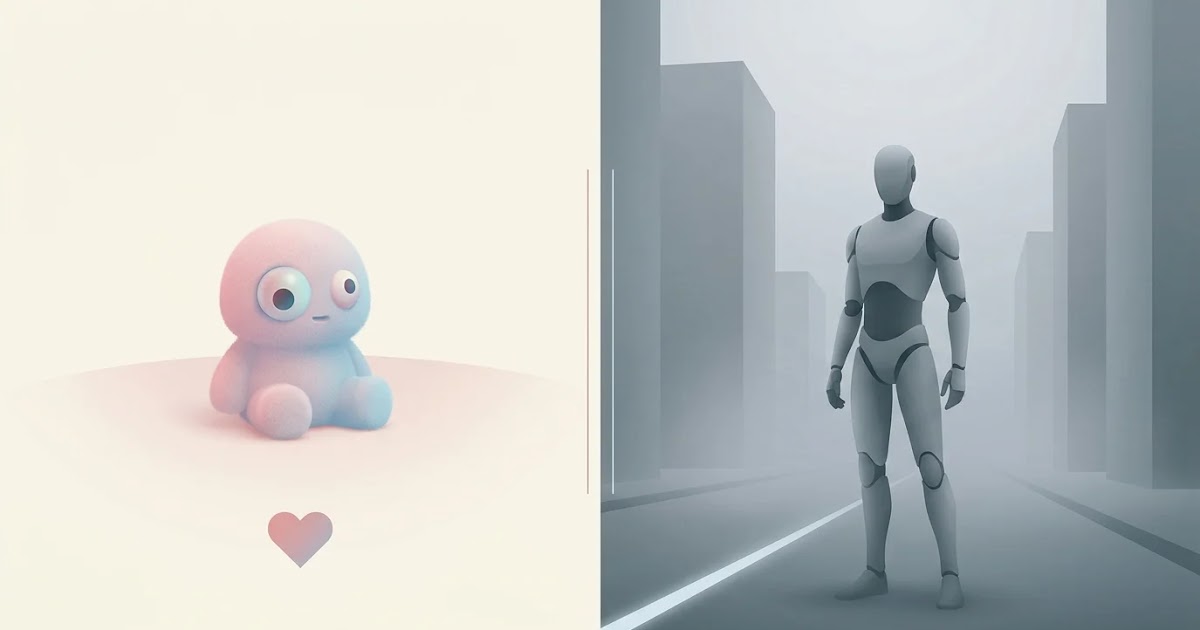
A small, ugly cute toy that sells emotion in a field.
And humanoid robots that implement order in public house.
One represents non-public emotional adaptation to uncertainty. The opposite represents public technological projection of confidence.
Collectively, they counsel a deeper reality. Trendy financial techniques aren’t solely constructed on capital, labor, and expertise. They’re additionally constructed on emotion.
As China navigates slower development and structural transition, emotions have gotten a part of its financial infrastructure. Not as a metaphor, however as a measurable driver of consumption conduct.
Labubu is not only a toy. It’s a sign. And the robotic police aren’t simply machines. They’re one other sign.
Between them lies a rustic recalibrating the way it grows, the way it spends, and the way it imagines its future.